Brent MarshallCreative Technologist / Technical Director
A Creative Technologist specializing in interactive exhibits, creative coding, and software development. I've directed installations and collaborated with high-profile companies across various industries.
Feel free to chat with me below to explore my portfolio! I'll do my best to find projects that match what you're interested in.
help
close
close
About the LLM
This chat uses Google Gemini, a Large Language Model (LLM). Each conversation starts with notes about the projects in this portfolio, so it can answer questions about them and point you to the right project.
Feel free to ask questions about the projects or explore the portfolio interactively! If you get stuck with the prompt not loading the final project, please tell it to "Show me" and it should load the project.
Brent MarshallCreative Technologist / Technical Director
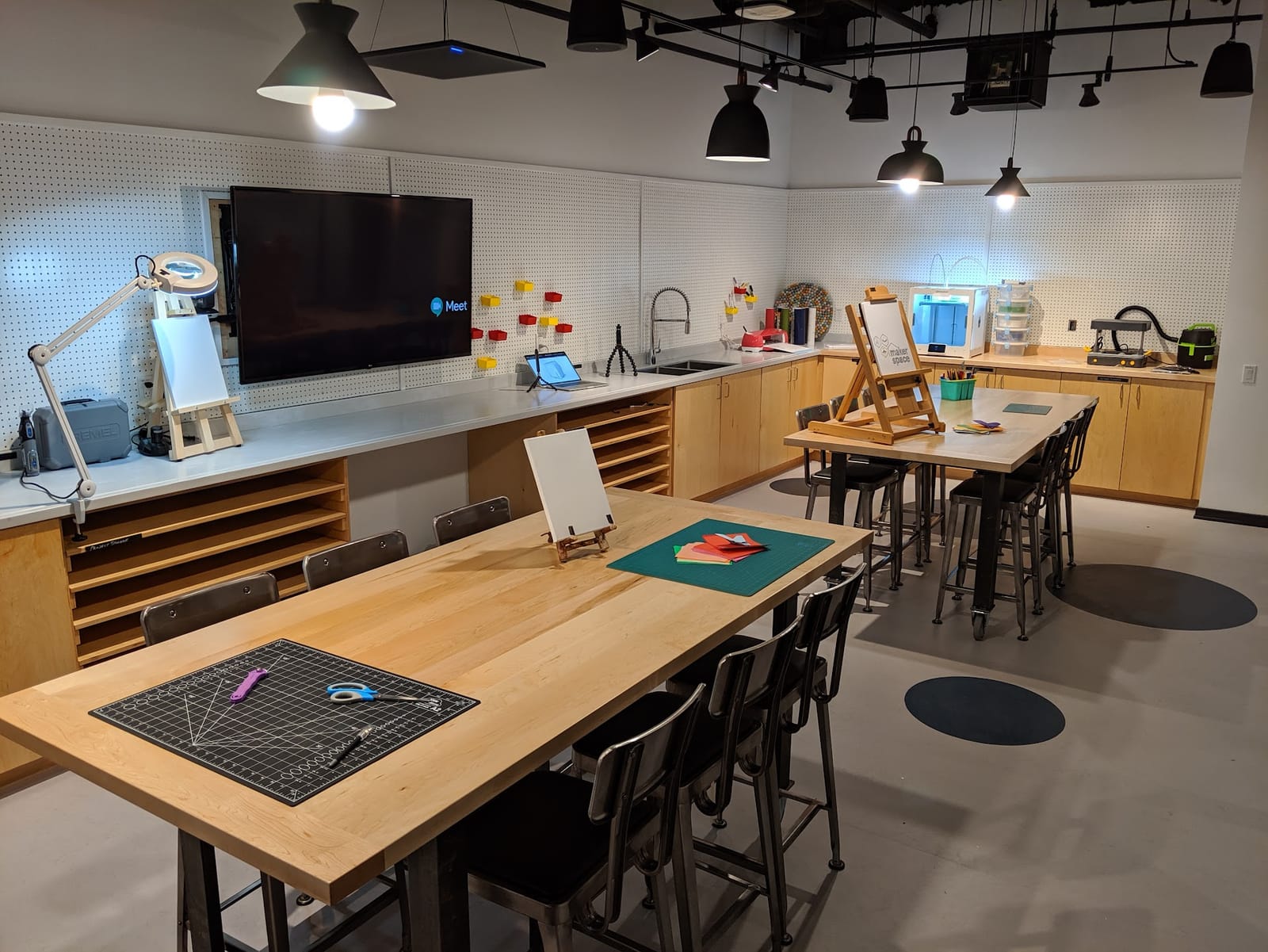
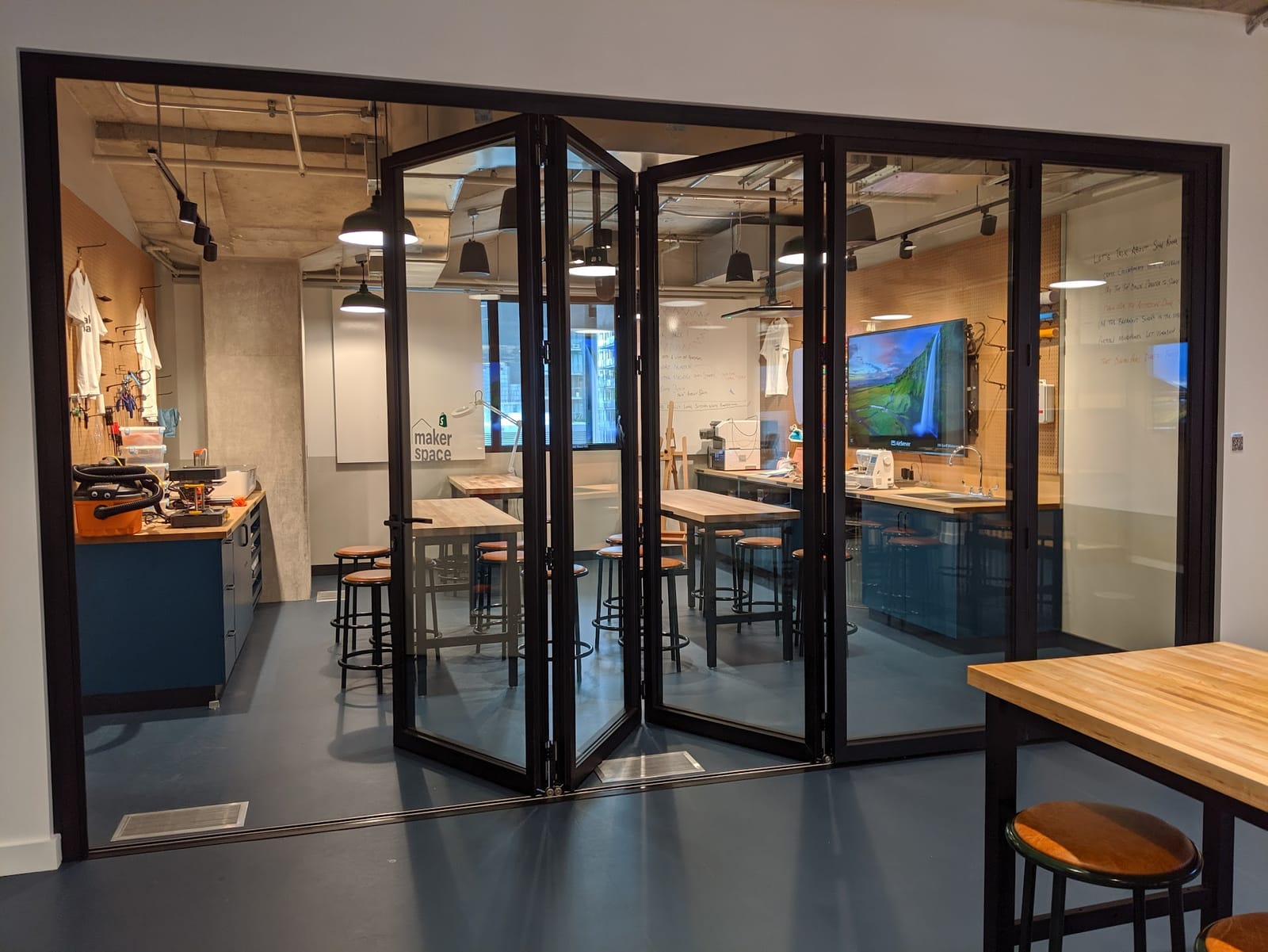
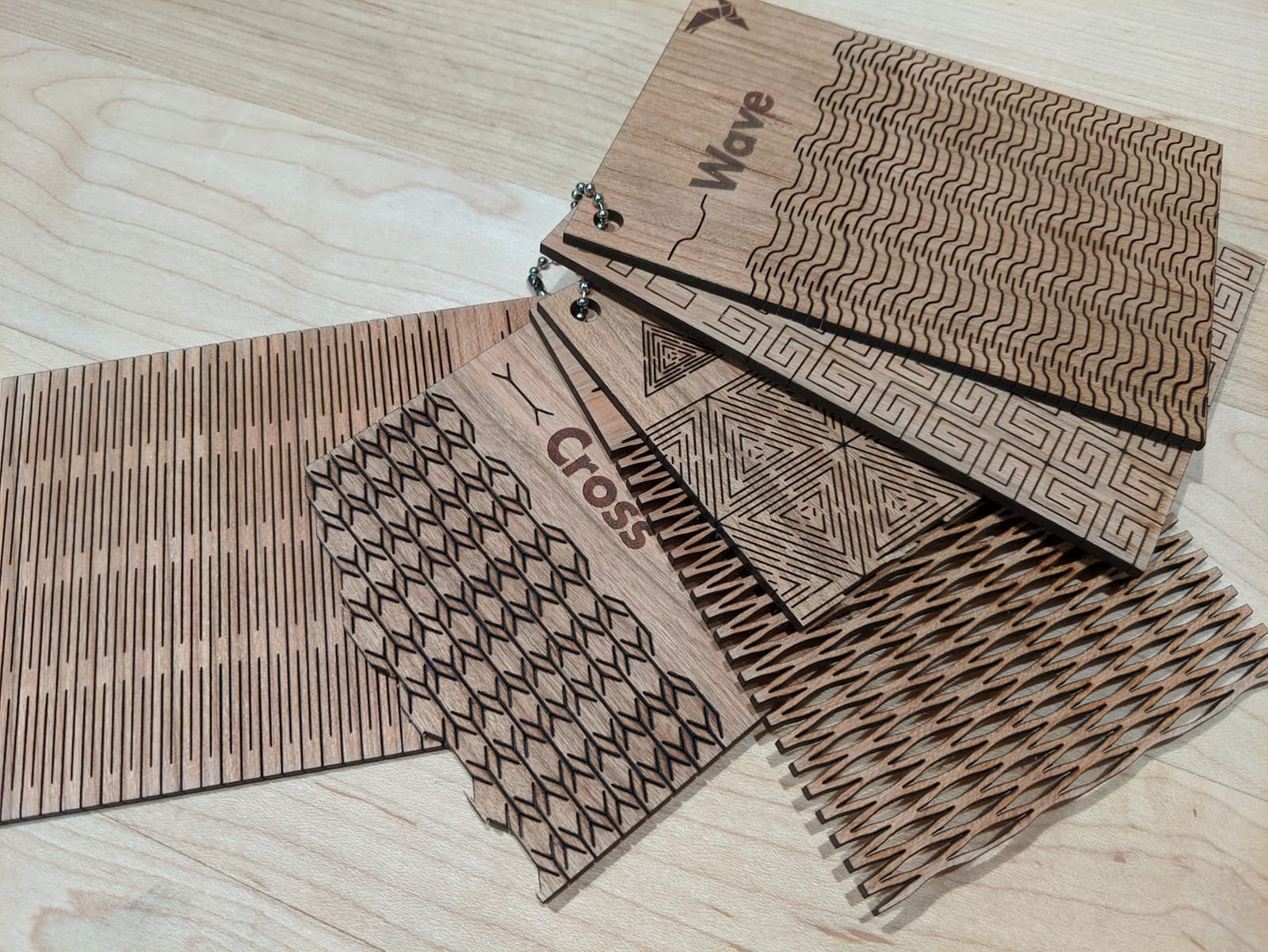
The Shopify Maker Space was a network of creative hubs established across multiple Shopify locations, including Ottawa, Toronto, Waterloo, Vilnius, Montreal, and San Francisco. These spaces were designed to empower internal staff to explore their creativity during off-hours, providing access to state-of-the-art equipment sourced, whenever possible, from Shopify merchants.
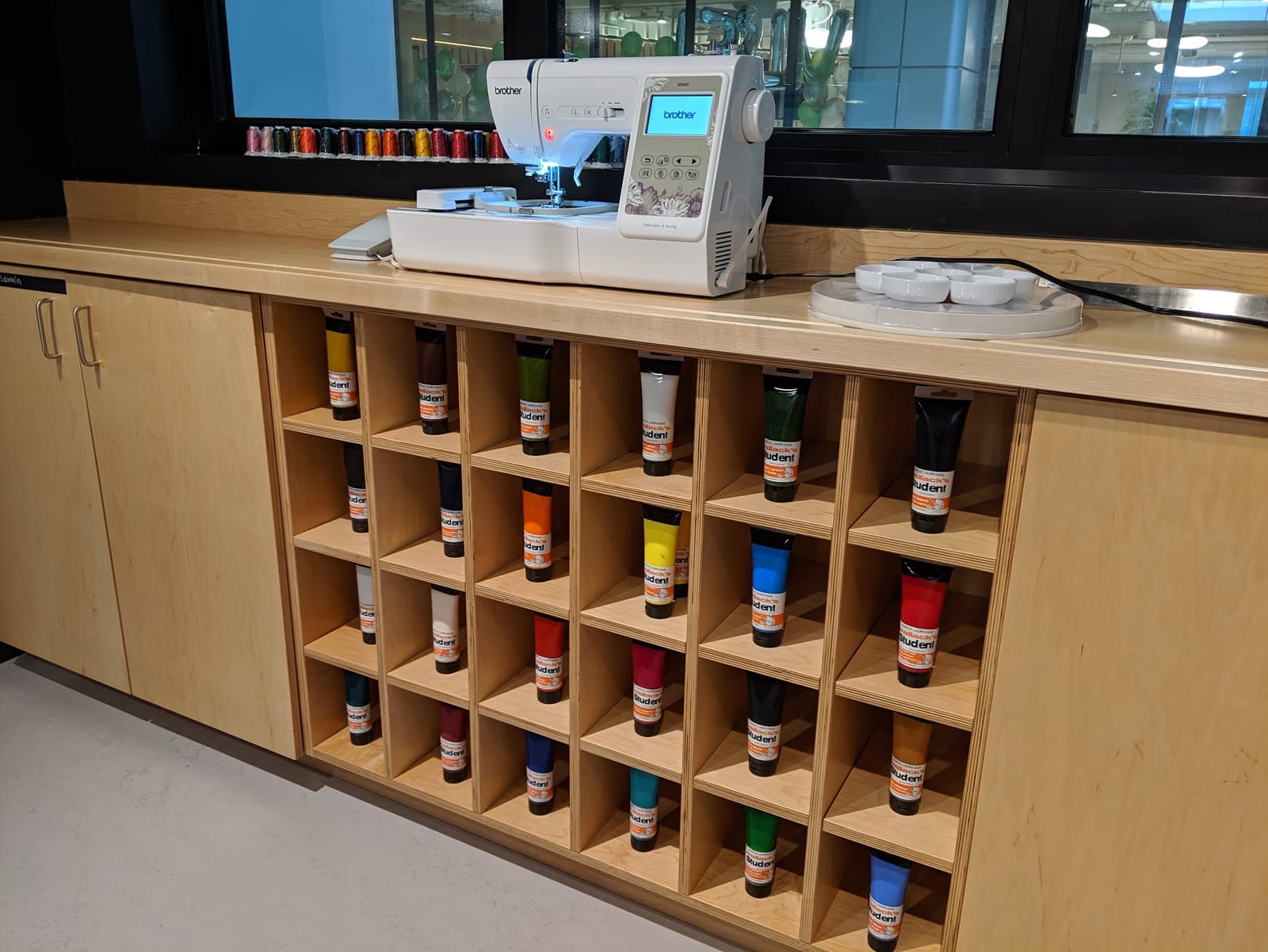
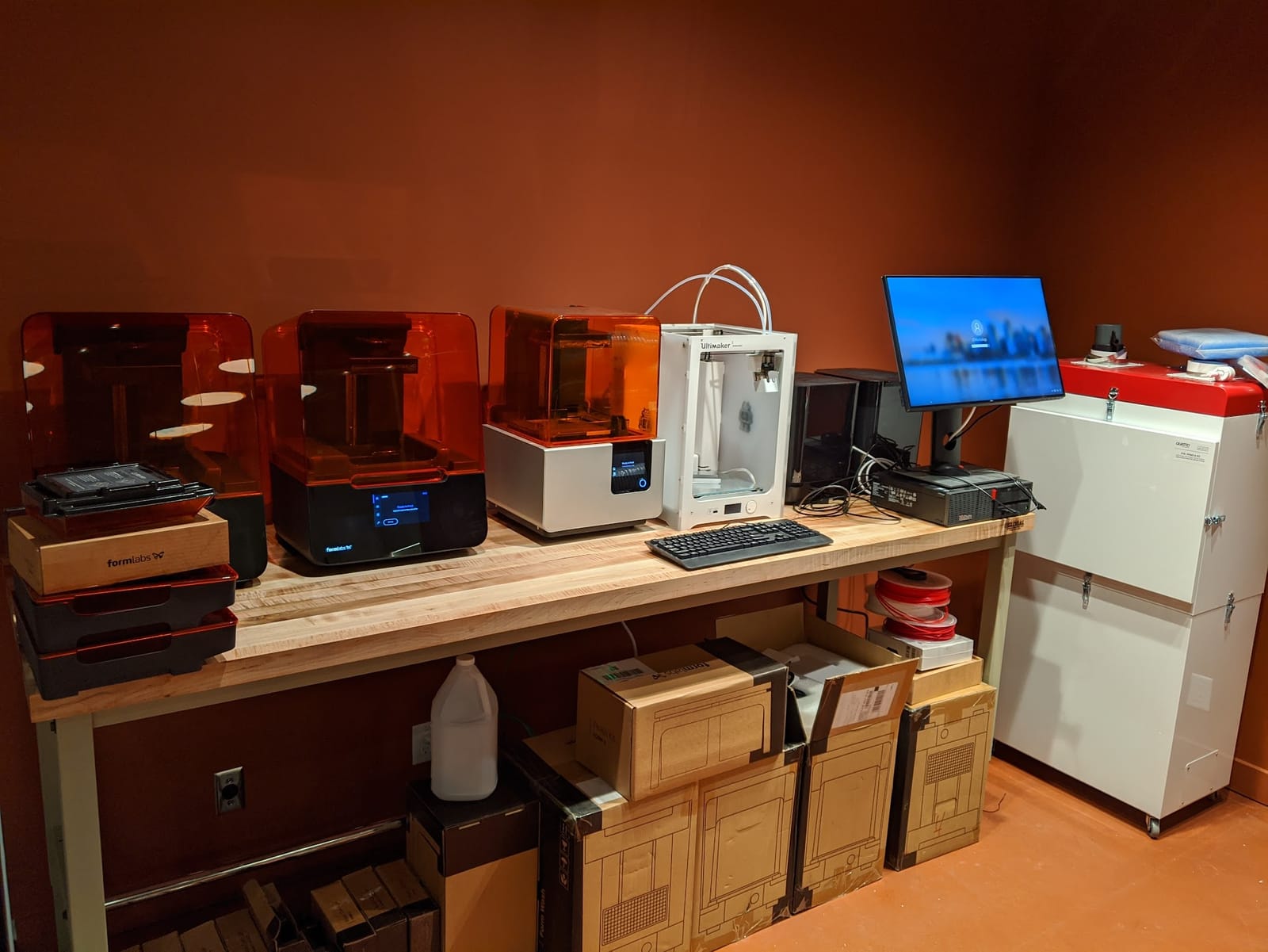
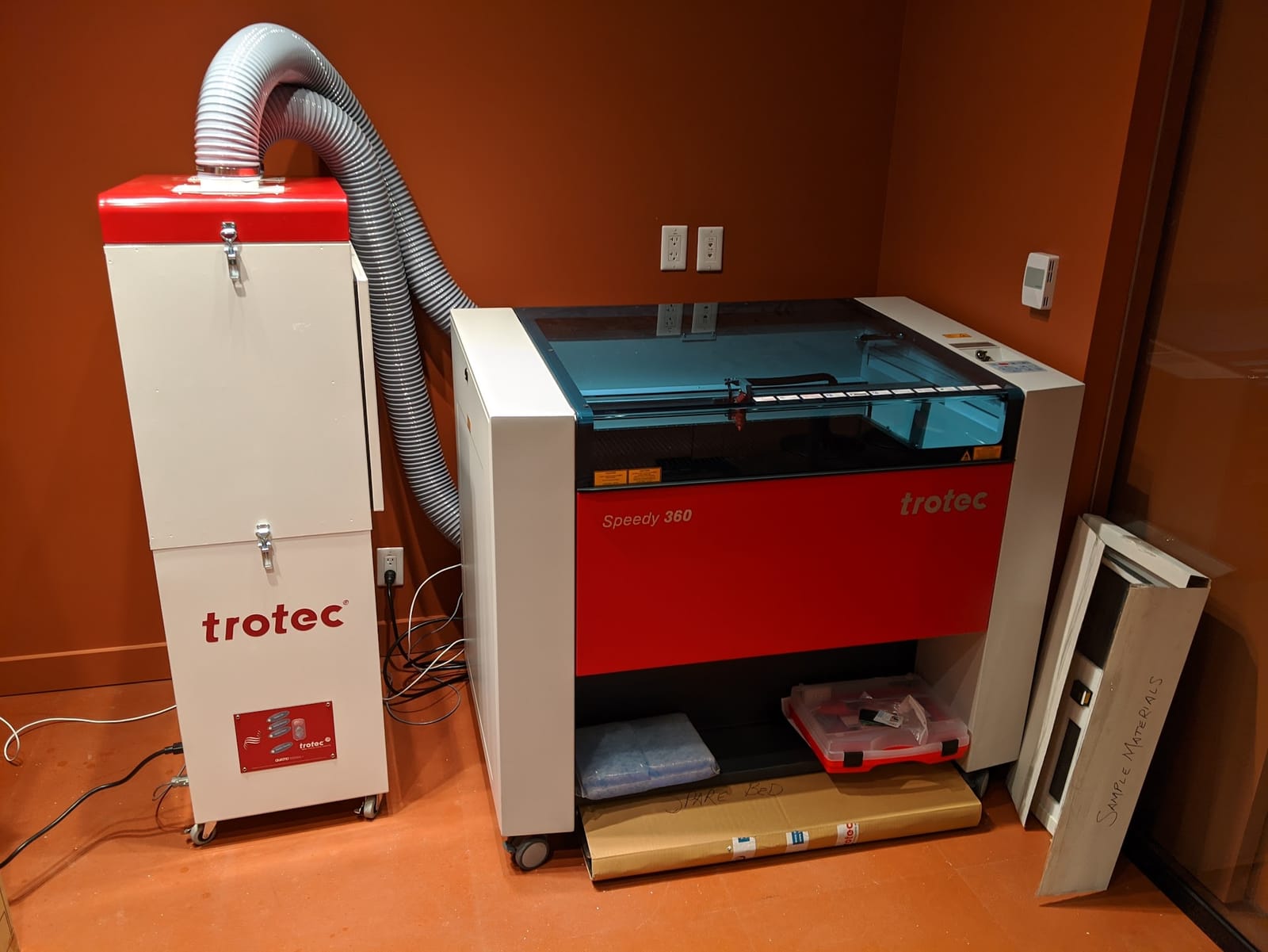
Each Maker Space was equipped with tools such as laser cutters, vacuum formers, vinyl cutters, garment printers, 3D printers, and embroidery machines, enabling a wide range of creative projects. The spaces fostered innovation and collaboration, allowing employees to bring their ideas to life in a supportive and resource-rich environment.
In addition to fabrication tools, the Maker Spaces were designed to support advanced video conferencing and presentation needs. Features included top-down cameras for overhead shots, wireless presenter microphones, accordion doors for overflow spaces, microphone arrays, sliding whiteboards, and Crestron controls, giving presenters the flexibility to configure the space to their preferences.
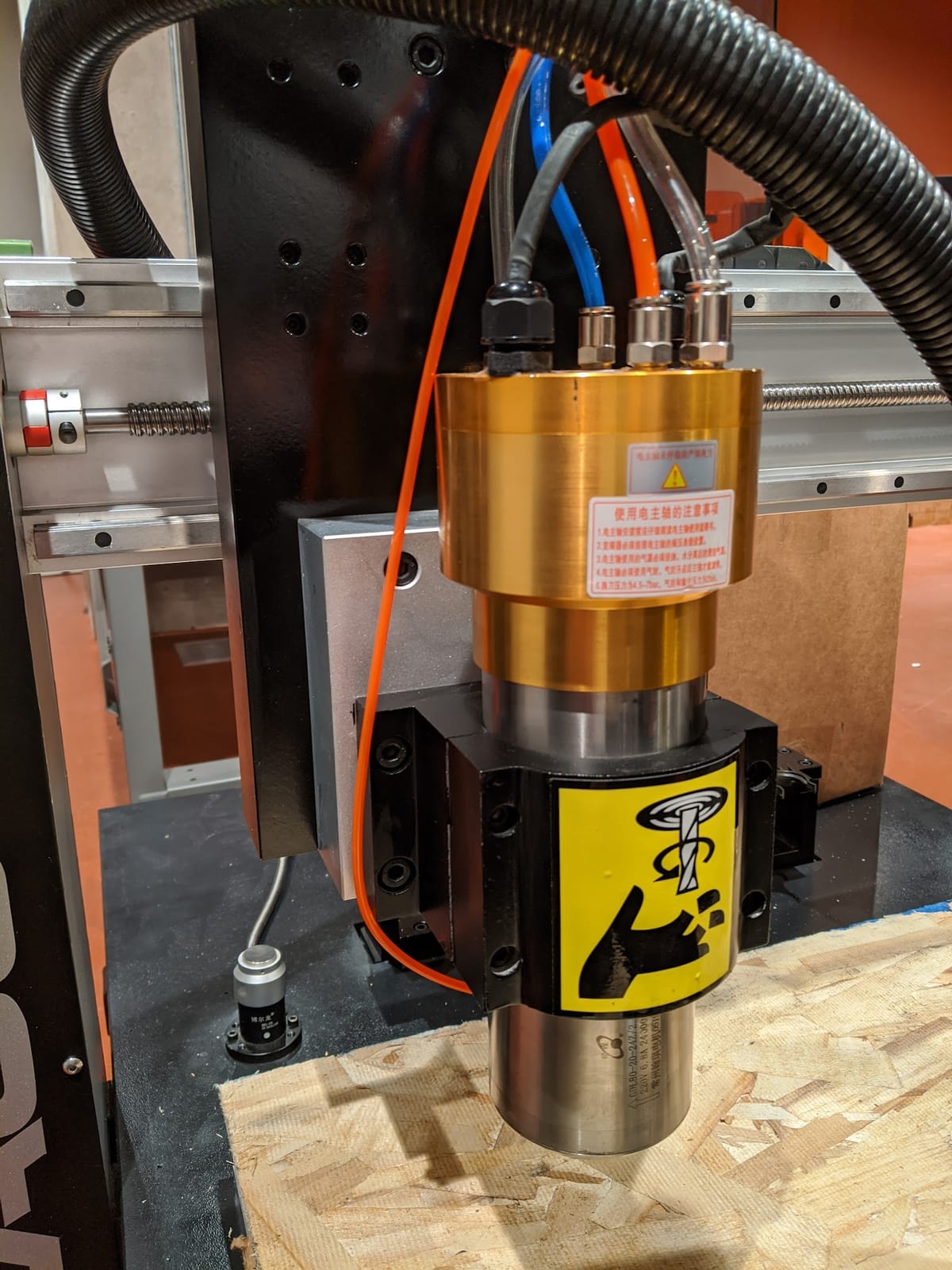
For more advanced projects, the Industrial Design Studio offered specialized equipment for trained personnel. This included an industrial-grade laser cutter, CNC machines, SLA 3D printers, and a variety of power tools, catering to complex and professional-grade fabrication needs.
The Shopify Maker Space initiative exemplified the company's commitment to fostering creativity, innovation, and collaboration, providing employees with the tools and resources to explore their passions and push the boundaries of what they could create.
Brent MarshallCreative Technologist / Technical Director
Selected work
Interactive experiences for brands, from AI installations to LED and robotics builds. Based in Toronto, available for freelance. »
Brent MarshallCreative Technologist / Technical Director
Let's Connect!
What I do
I help agencies and brands turn ambitious ideas into interactive experiences that work in the real world, on time and on the show floor.
Brand activations: Interactive installations for events, trade shows, sports and retail, for clients like Google, Shopify, Intel and Molson Canadian.
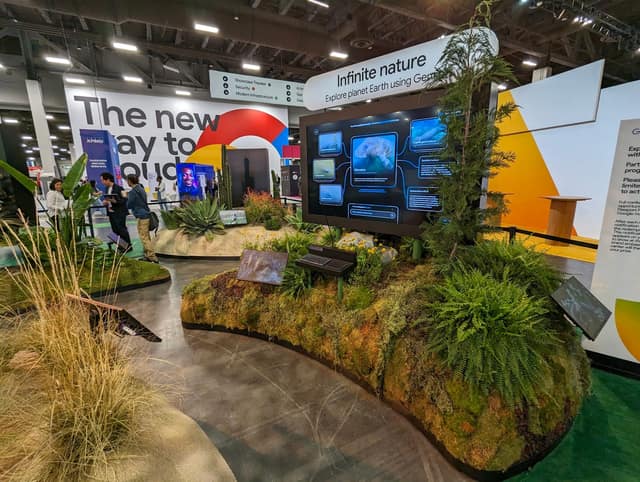
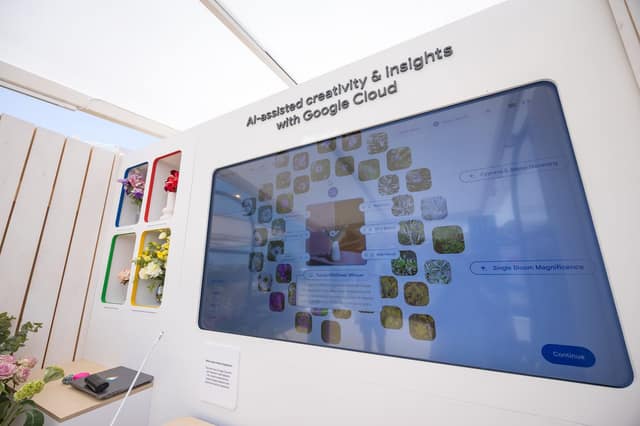
AI experiences: Generative AI installations built on Gemini and Imagen, such as Google Cloud's Infinite Nature and Infinite Fleurs.
Hardware and prototyping: Microcontrollers, LEDs, sensors, multi-touch, robotics and fabrication, from a quick proof of concept to a build that survives a crowd.
Technical direction: Scoping, architecture, working with fabricators and vendors, leading developers and mentoring teams through to install.
I'm based in Toronto, work remotely and travel for installs. I'm available for contract and freelance projects. Tell me what you're planning.
Have a question, feedback, or just want to say hello? I'm always happy to connect. You can find me here:
Brent MarshallCreative Technologist / Technical Director
Experiments
Personal R&D: things I build to learn a new chip, tool or technique. Work in progress, with the code on GitHub.
In progress2026
ESP32 Rive Player
Interactive Rive animations on a microcontroller touchscreen
Microcontrollers
Creative Coding
Plays Rive animations on a 720×720 touchscreen driven by an ESP32-P4, a microcontroller with no GPU. It supports state machines, touch, text, layouts and sound, so interactive Rive designs can run on a small, low-cost display.
Live video from TouchDesigner to a microcontroller display
Microcontrollers
Video Streaming
Streams live video from TouchDesigner, OBS or ffmpeg to a 720×720 display driven by an ESP32-P4. The board receives a standard RTSP stream over Ethernet and decodes it in software, turning a small, low-cost screen into a display any video tool can drive.


 View on GitHub